

Notes From Tulum: Beaches, Cenotes, Ruins, Restaurants and Secret Spots from a Local
A personal guide for first timers, repeat visitors, and anyone who's been led to believe that Tulum is overrated.

This is the first of two Tulum dispatches. In the following article I'll be sharing the dishes that really stood out on this trip, and how to bring them home….a recipe article built around the best things I ate in Tulum, from ancient Mayan preparations to wood-fire cooking to a bowl of ceremonial cacao in La Veleta.


I have been coming to Tulum for many years, watched it transform many times over, and every version has managed to charm me in new ways while somehow staying true to itself. That too is part of the charm.
It sometimes gets a bad rap. Too crowded, too expensive, too much seaweed. Those complaints are not entirely wrong — but I think anyone who has written it off entirely just hasn’t had the right guide. I’ve always had the luck to find the magical side of this town. And then eight years ago a very close friend set up shop here to design and build a beautiful residential jungle retreat community, and my luck got considerably better.
Meet Maxine - native Mexican, longtime friend, and the creator of Aflora, one of the most beautiful properties in Tulum. Maxine is one of those people who always seems to know everyone. Walking around town with her means calling out to friends on every block, waving out the window of her little white Jeep at passersby, and a constant stream of texts opening doors, saving spots, waiving fees, arranging pickups. She is fantastically optimistic, which I think might be part of her secret — she pretty much never says no to an interesting opportunity, a new friend, an unexplored place, a new experience. So every time I visit, Maxine has a whole new litany of amazing things to do, see and eat. They say if you want to know what's actually good somewhere, follow a local around. I would add: find the outgoing local who says yes to everything. That's Maxine, and everything on this list has her blessing.
WHERE TO STAY


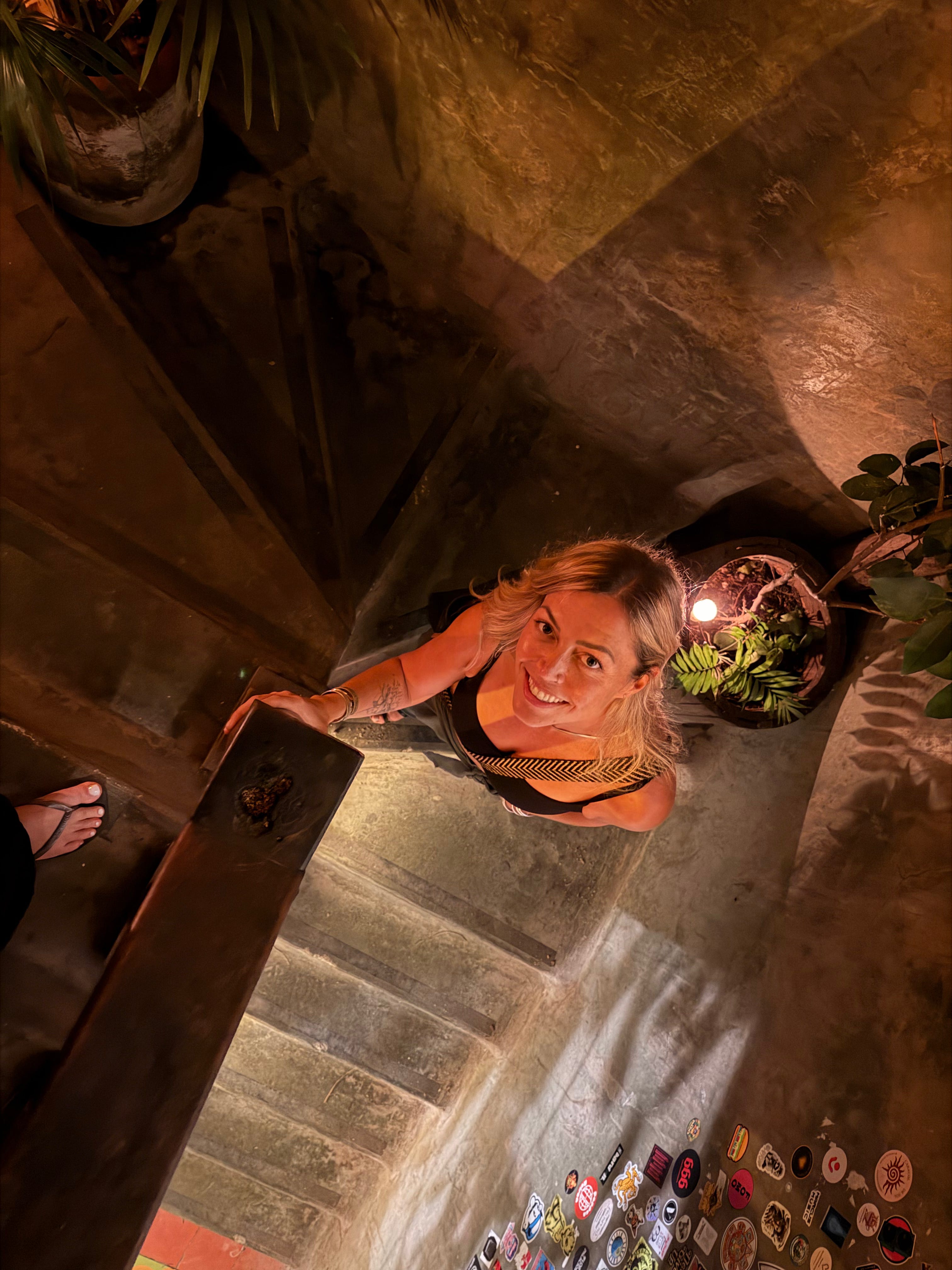
I cannot recommend Aflora enough. Maxine's creation sits in Aldea Zama, the residential neighborhood between town and the beach road, on a large gated property with a gorgeous pool, wellness center, community events and classes, and Panza (one of my favorite restaurants in all of Tulum). It is not a beach property, which I actually see as a positive. The beach road comes with noise, traffic, and all the chaos of a tourist corridor. Aflora is its own beautiful oasis in the jungle, complete with its own cenote, and being there feels like being a million miles from everything.
RUINS AND ARCHAEOLOGY

The Tulum ruins are worth mentioning even though I haven’t visited the site in many years. They sit on a cliff above the Caribbean, above a beauitful little white sand beach cove, they are honestly one of the more dramatic archaeological sites in the region and a sunrise visit used to be part of my itinerary every time I was in Tulum. The northern stretch of the beach road is now a preserve, so it involves a little extra logistics and an entry fee to visit these days. I had too many other things to get to.
For a bigger archaeological outing, the one I returned to this time around, drive 30-40 minutes inland to Coba. I highly suggest renting a bike at the entrance (or hiring a pedicab to do the peddling for you) and ride the jungle paths from ruin to ruin. The distances from temple to temple are more doable by bike, and even though the paths are shaded, the little breeze from your ride feel amazing.


The main temple has a vertigo-inducing staircase that you can climb, and 360 degree views above the jungle canopy reward you from the top. A proper staircase was installed a few years back, but the first time I climbed this temple there was only a worn and knotted rope hung down the stretch of the ancient stone staircase to hold onto. After your exhilarating climb and mellow ride through the rest of the complex, have a simple local Mayan meal at one of the restaurants overlooking the lagoon outside the area of the ruins. It's a good opportunity to try the local cochinita pibil, or the panuchos and salbutes - some of the most distinctly Yucatecan lunches.
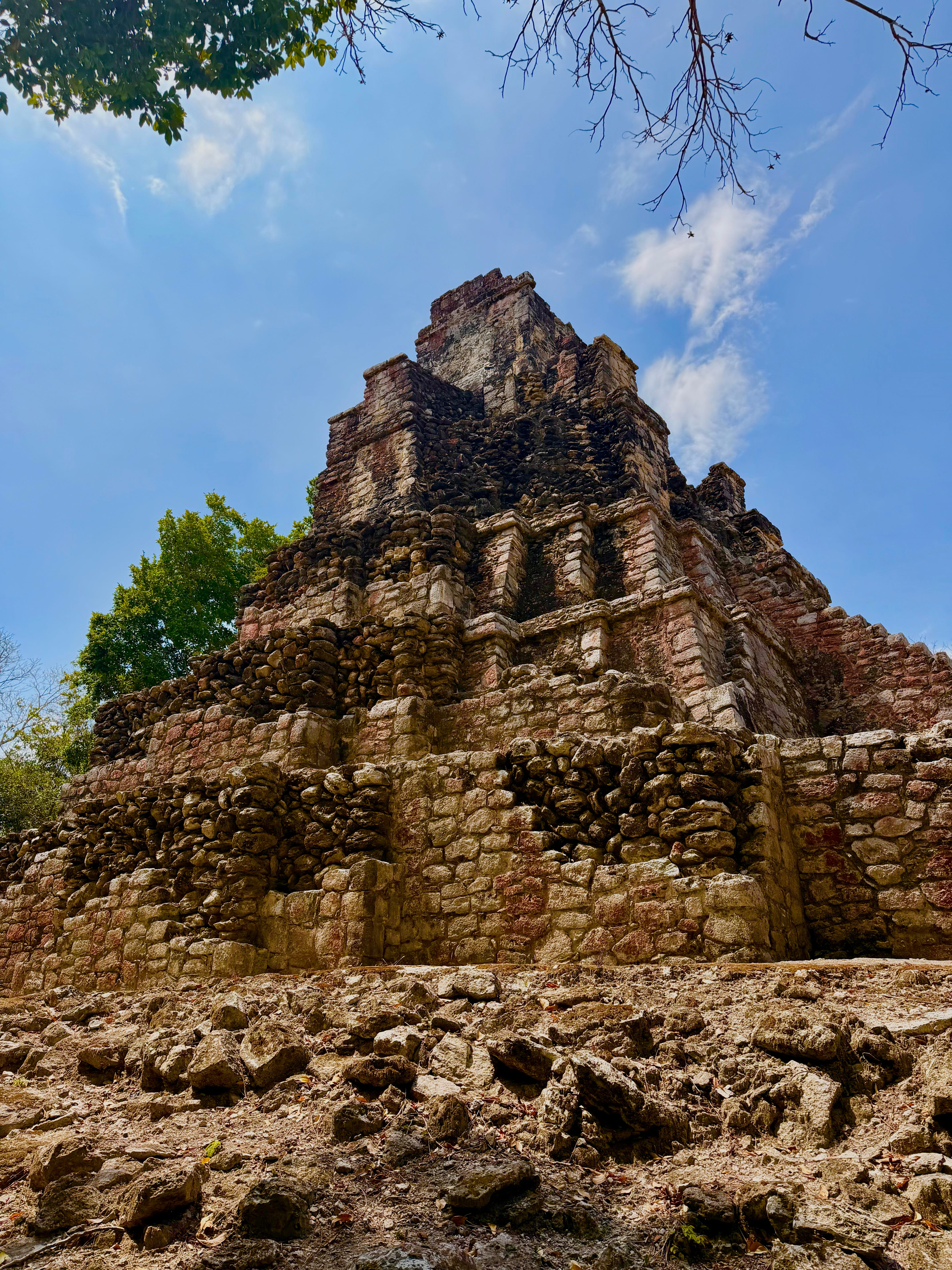
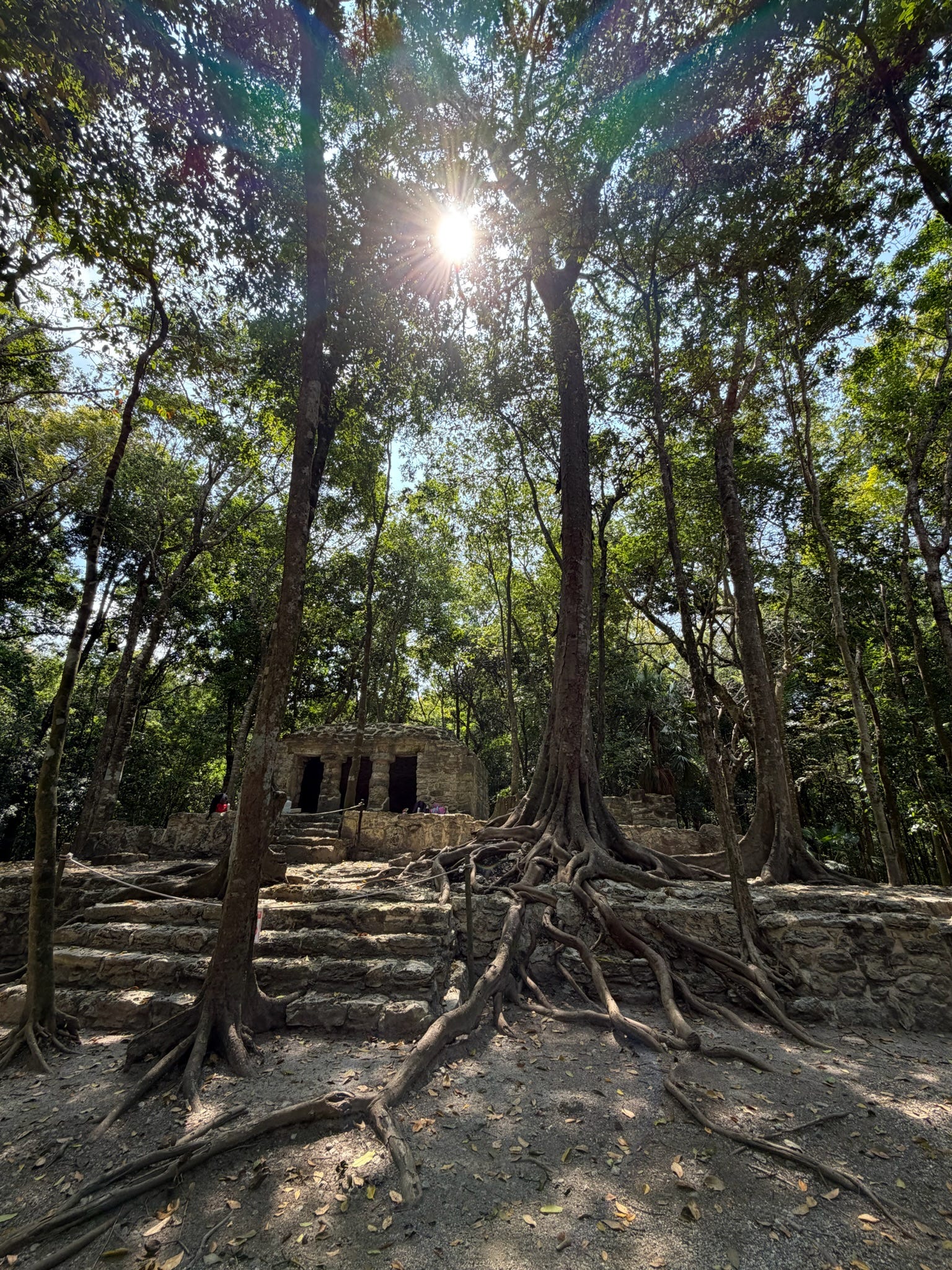
If you don’t want to travel as far, Muyil is a smaller, quieter site, one thats still being excavated. The temples here have been partially reclaimed by the jungle, with massive ceiba trees whose roots pour over the stones like melted wax. This was a major Maya trading hub, with a canal system built by hand that still exists and still flows today. From the ruins a jungle path leads down to the lagoon, where a really special adventure awaits.
FLOAT THE MAYA CANALS


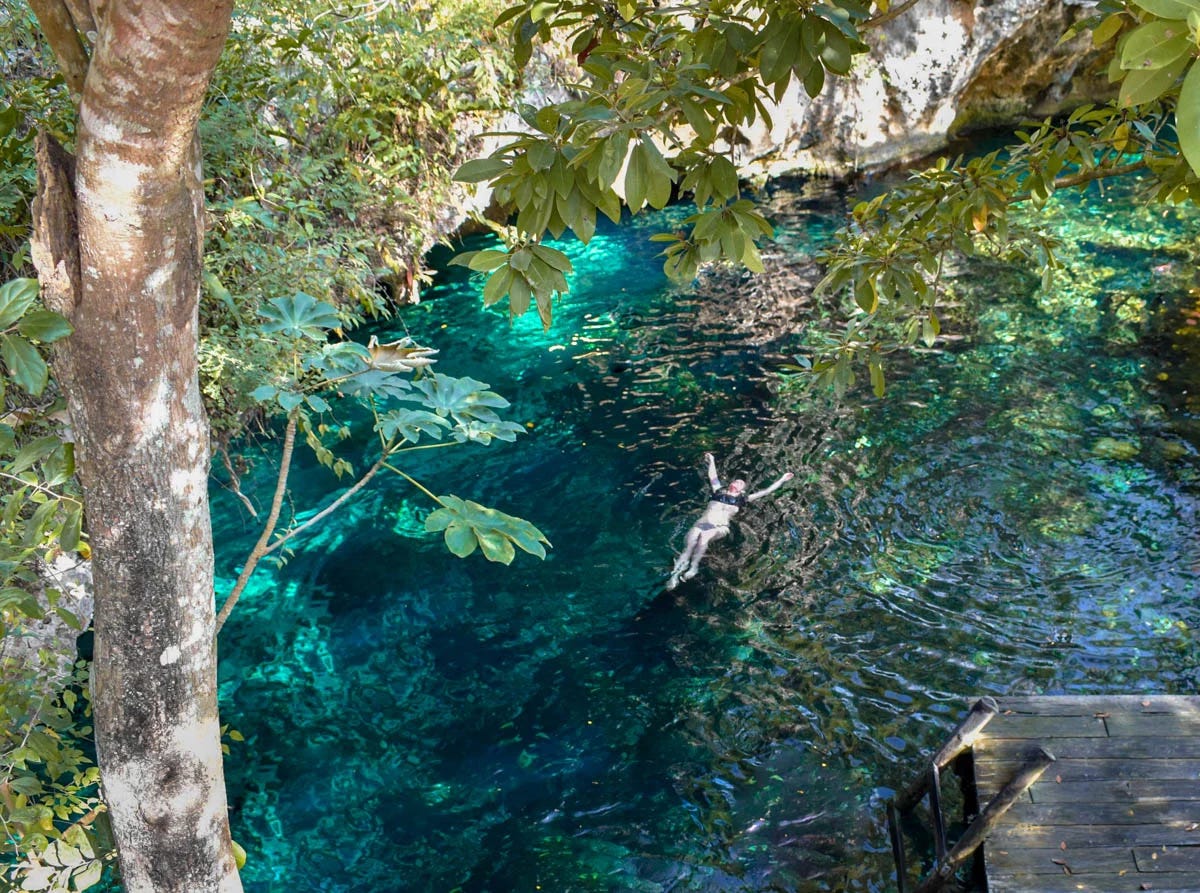
This was one of those things where I just had to trust Maxine. When she first told me we were going to hire a boat out to some canal, then float down a river for 45 minutes, I was….confused? But I trusted her, and after traversing 2 lagoons, navigating a few narrow canals lined with orchids, lily pads and unfamiliar water birds, the driver pulled up to a little makeshift dock. The driver disappears, and you leap into the water. With a makeshift life preserver diaper situation, your body easily floats on the surface and the current draws you along through bright blue water with white sandy bottom below.
Perhaps this is where the name of this region comes from - Sian Ka’an, meaning “Where the Sky is Born.” Floating through those perfectly still lagoons with the clouds reflected below you, it makes sense.
They space groups out so you feel completely alone out there. The banana orchids were in bloom, dripping their frilly flowers from the treetops overhead. A giant tricolored heron watched us float by from a mere few feet away. Nopalito cactus hung from branches above the water. Baby fish swam up to investigate. Not a sound except the occasional bird call. The forced tranquility of it, the strangeness of a real life lazy river, it’s jarring and surreal in the most relaxing but bizarre way…. Which is exactly why I went back for more on this trip.
CENOTES
The region of Quintana Roo sits on what was once an ancient coral reef, now lifted from the sea and fossilized into the limestone bedrock that underlies the entire peninsula. If you look closely at the natural stone here you will find small sea creatures preserved for eternity in the rock beneath your feet. This is also, not coincidentally, the site of the Chicxulub asteroid impact - the one believed to have ended the reign of the dinosaurs, the crater centered just off the northern coast of the Yucatan.
The thing about limestone is that it’s incredibly porous. Water leaches right through it. So the rivers here do not stay on the surface of the earth but travel through a vast network of underground channels. When the ceiling of one of those channels breaks away, it exposes the underground river beneath - an ever-changing pool of crystal clear water, open to the sky and surrounded by jungle. Some are reached through caves, some sit right on the surface. They each have their own personality and it’s worth trying a few to find your favorite jungle swimming hole.
Cenotes were also considered sacred by the Maya, and for good reason - they were the only access to fresh water in a region with no surface rivers. Many cenotes sit alongside archaeological ruins, and countless offerings have been discovered in their depths, left there over centuries as gifts to the gods.


My favorite undeveloped cenote near Tulum is Gran Cenote. It’s the one I’ve kept returning to over all these years. Established enough to have a proper entrance and facilities, but not so built up that it feels like a theme park. There is a cave section if you want to swim through to another opening, but you don’t have to crawl through anything to reach the main pool, which matters if you share my claustrophobia. Baby turtles and tropical fish swim about in the shallows, iguanas peer down from the jungle rim overhead. Go early to beat the crowds during busy season.
Max also has to shout out Car Wash cenote, which I haven’t yet been to but is one of her favorites. You can do some diving here as there is some underwater cave systems accessible from the surface.
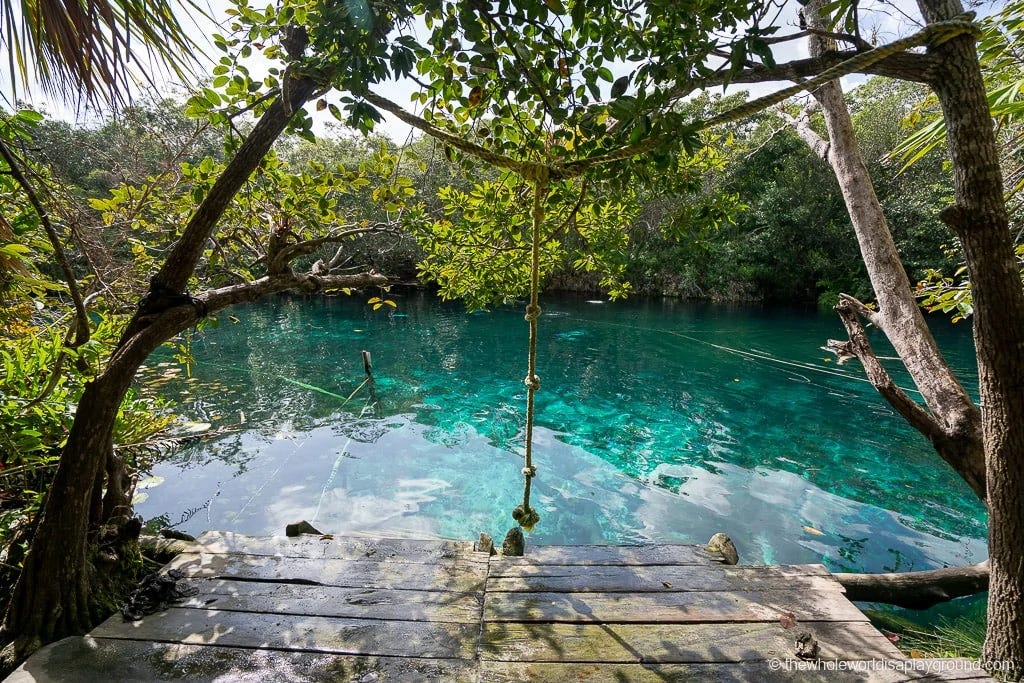
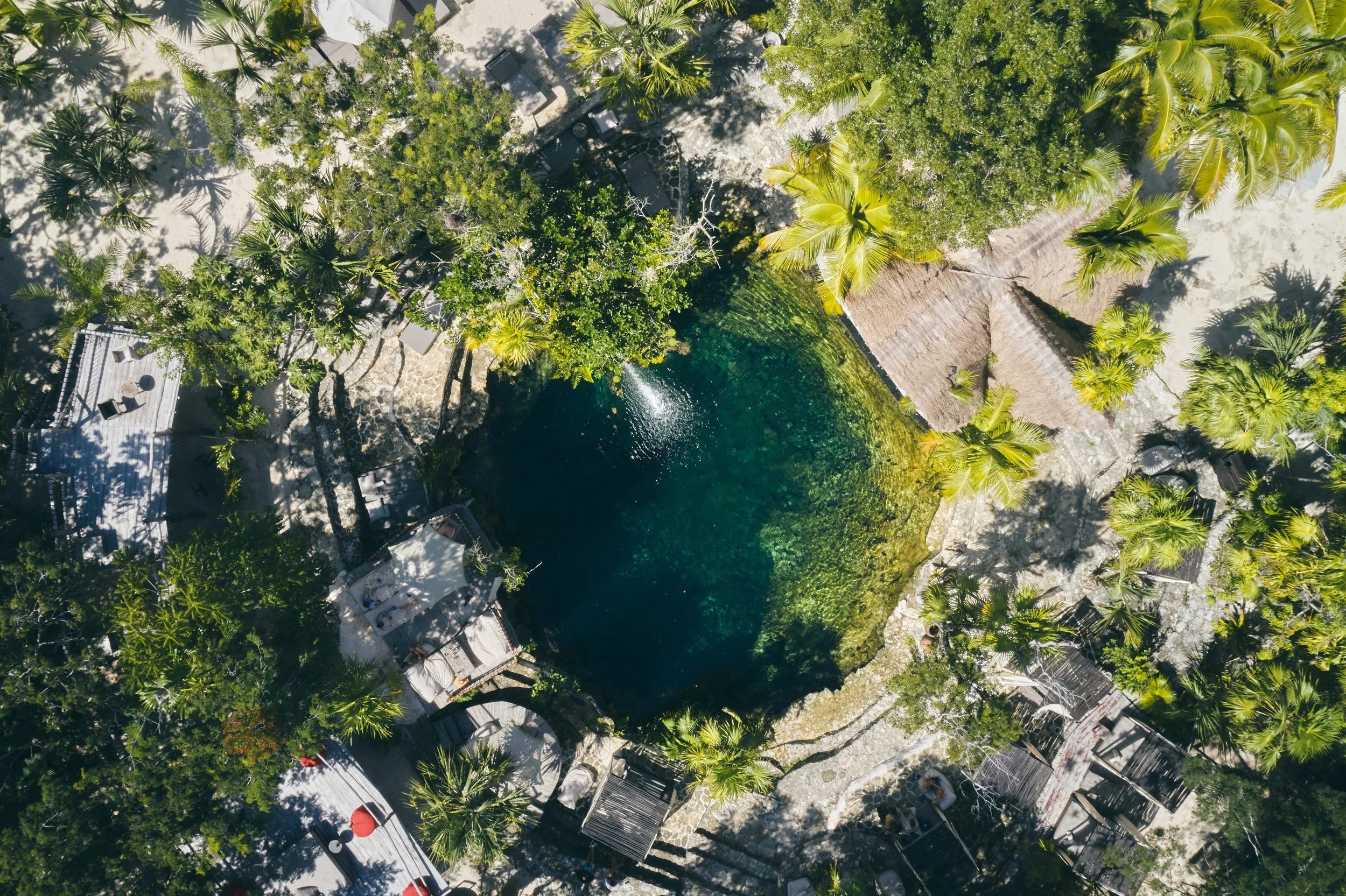


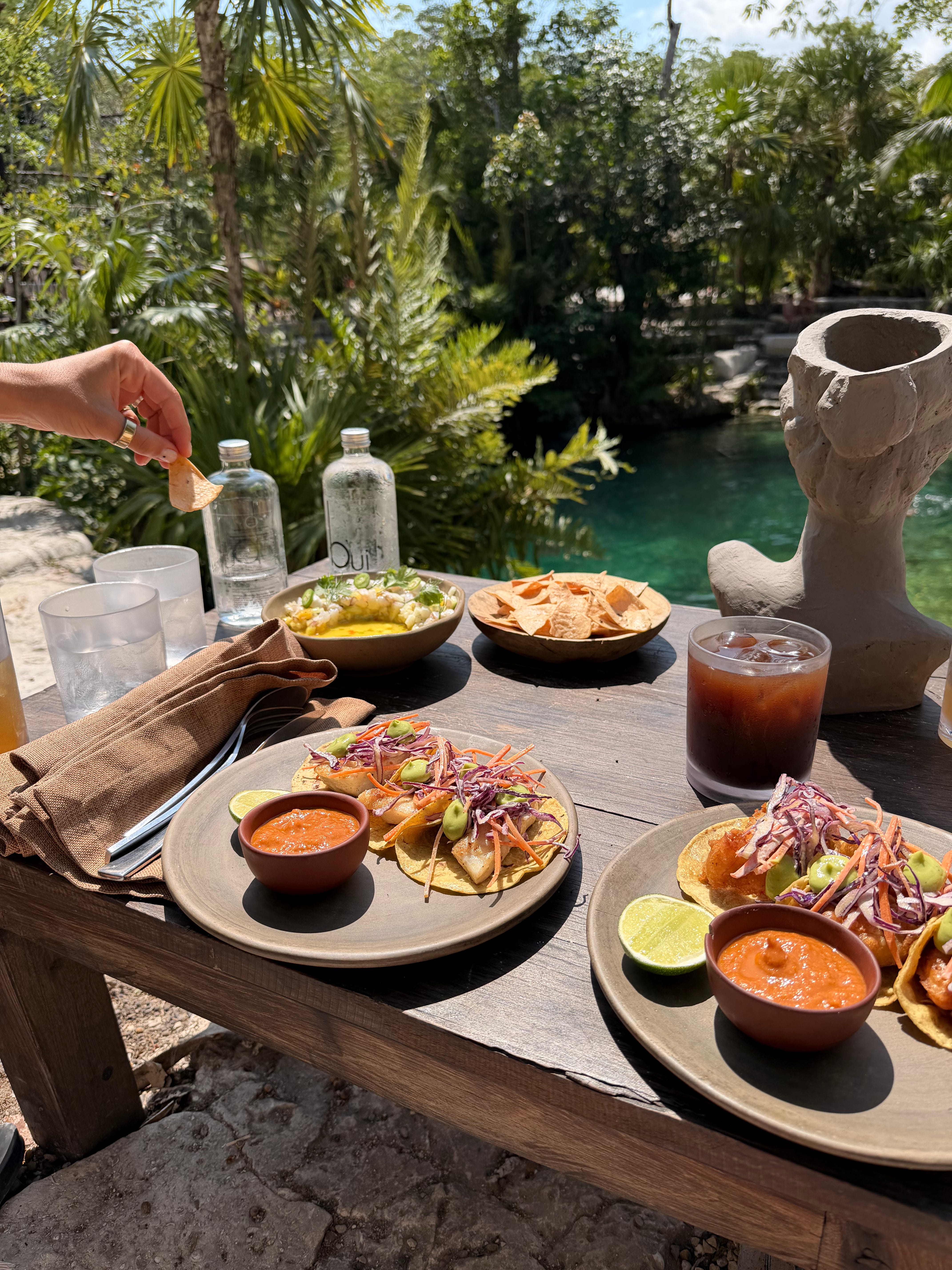
My other favorite cenote, and one that is much more developed, is Vesica - a newer project and one I was completely blown away by on this first visit. The first pool you come upon is surrounded by canopied daybeds with flowing white linen curtains, pillows and cushions casually arranged on the stone steps leading down to the crystal blue-green water. A woven wood platform for performances overlooks the swimmers. There’s a DJ, good food and drink service, and an upbeat energy that is genuinely fun if you’re in the mood. Order the ceviche and the fried shrimp tacos and a cocktail and enjoy the people-watching.


For a more tranquil vibe, walk further into the jungle to their second pool - serene, shaded, surrounded by Greek sculptures slowly being claimed by the jungle. We had tuna tiradito with passionfruit and mango, smoked baby gem lettuce with cashew dressing, and fresh juice elixirs made with dragon fruit, chaya (Mayan spinach), pineapple and watermelon. It felt like stumbling into some imaginary world that exists somewhere between ancient Rome and the Yucatan jungle, which I guess is exactly what it is. If I lived in Tulum, this is where you would find me most days.
THE BEACH AND THE LAGOONS


Tulum's beach runs about 6 miles from the ruins in the north all the way to the edge of the Sian Ka'an biosphere reserve in the south… a long dreamy strip of white sand and turquoise water that you can walk end to end in a few hours. It used to feel like an eternity when I was young and would make the trek. There were stretches with almost nothing on them… no hotels, no bars, just beach and jungle and the feeling that you had wandered somewhere truly unknown.
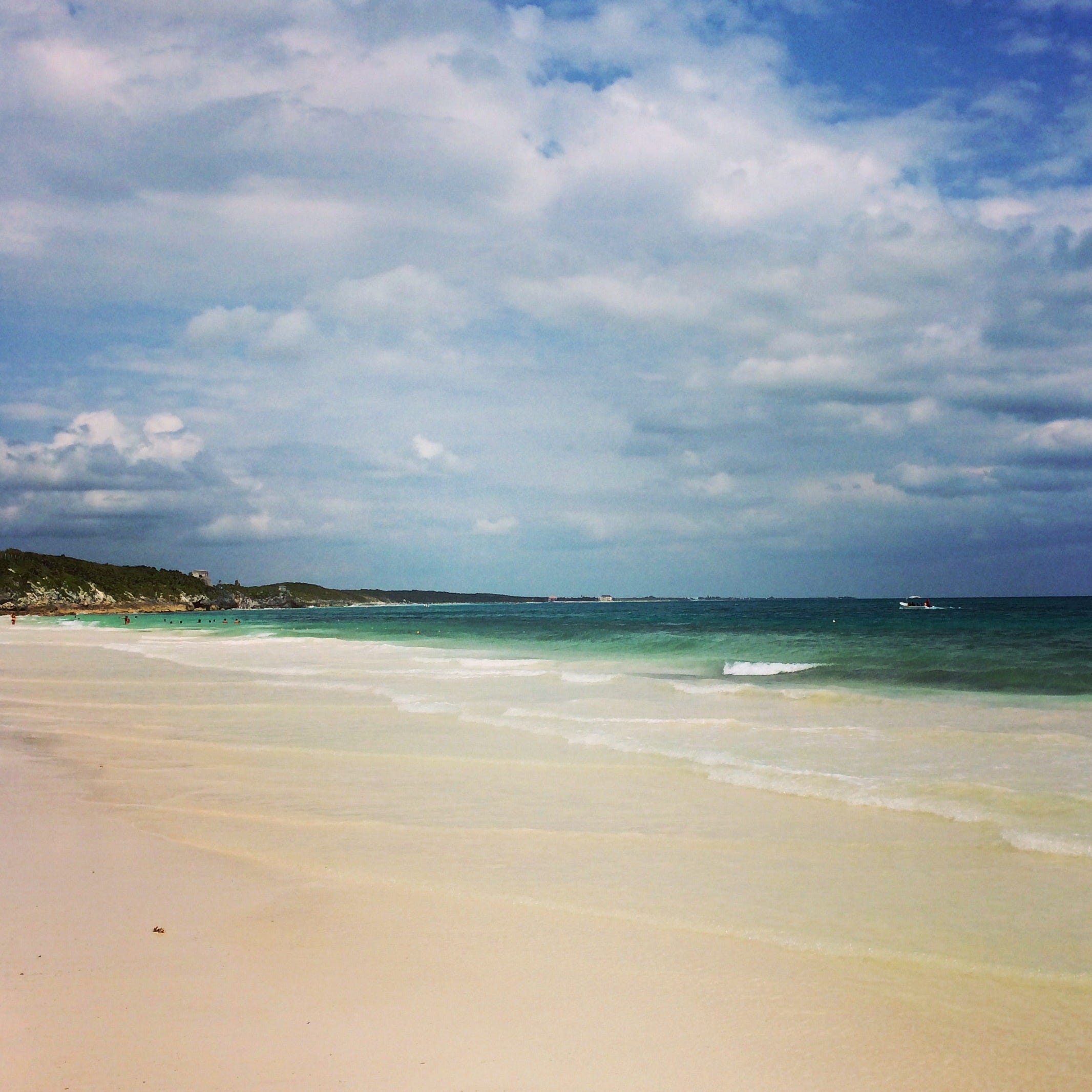
Playa Santa Fe in 2009
These days most of the beach has been converted into clubs with food and drink minimums, which is one of the things that I don’t really love about the new Tulum. There are still a few spots where you can swim without purchasing anything (Santa Fe beach to the north being the most accessible), but if you want a proper setup with shade and somewhere to eat, you’ll need to pick a club and commit
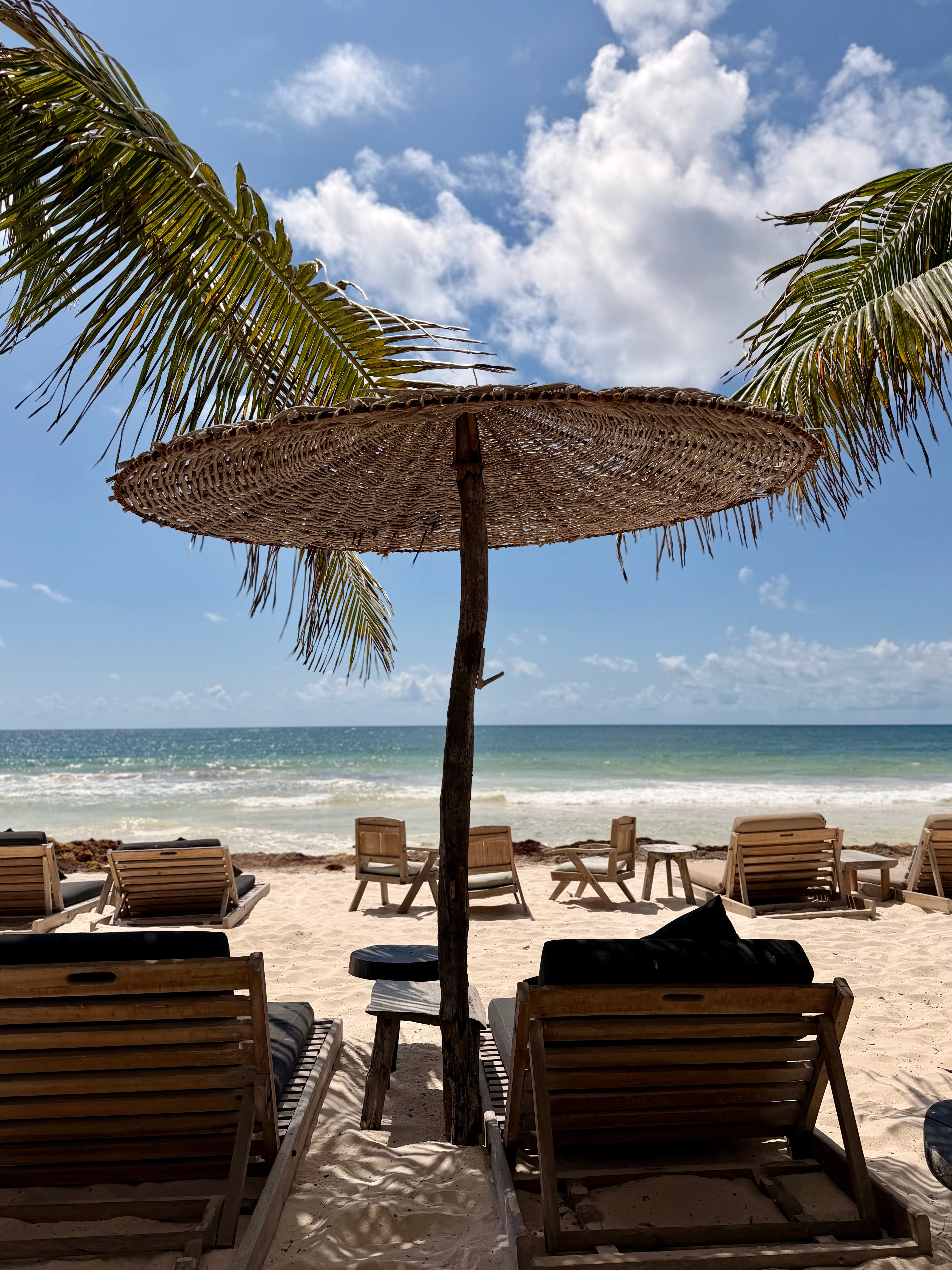
My favorite beach club is Chiringuitos. Free parking for guests, a beautiful well-maintained property with good food and friendly staff, a gorgeous pool, and a location at the far southern end of the beach road next to a property that allegedly once belonged to Pablo Escobar. The southern end is swankier and quieter, which I prefer.


For a more communal feel, head north to Ikal - a hotel and gathering spot with live music, food, and daily events. Very kid-friendly, the kind of place where you will easily make new friends. It sits inside the northern jungle preserve so non-guests need to pay a small entrance fee, but if you want to see the famous cliff-top ruins of Tulum with the Caribbean below them, this is how you get there anyways.
There really is a beach club for every single vibe, so do your research and find the one that resonates with you.
One thing worth knowing about the beach: sargassum seaweed. It’s most prevalent in the warmer months and when it arrives it can be stinky and make swimming less fun. In winter you may not encounter it at all. The water without it is some of the most beautiful clear blue you have ever seen, but it’s hard to predict.
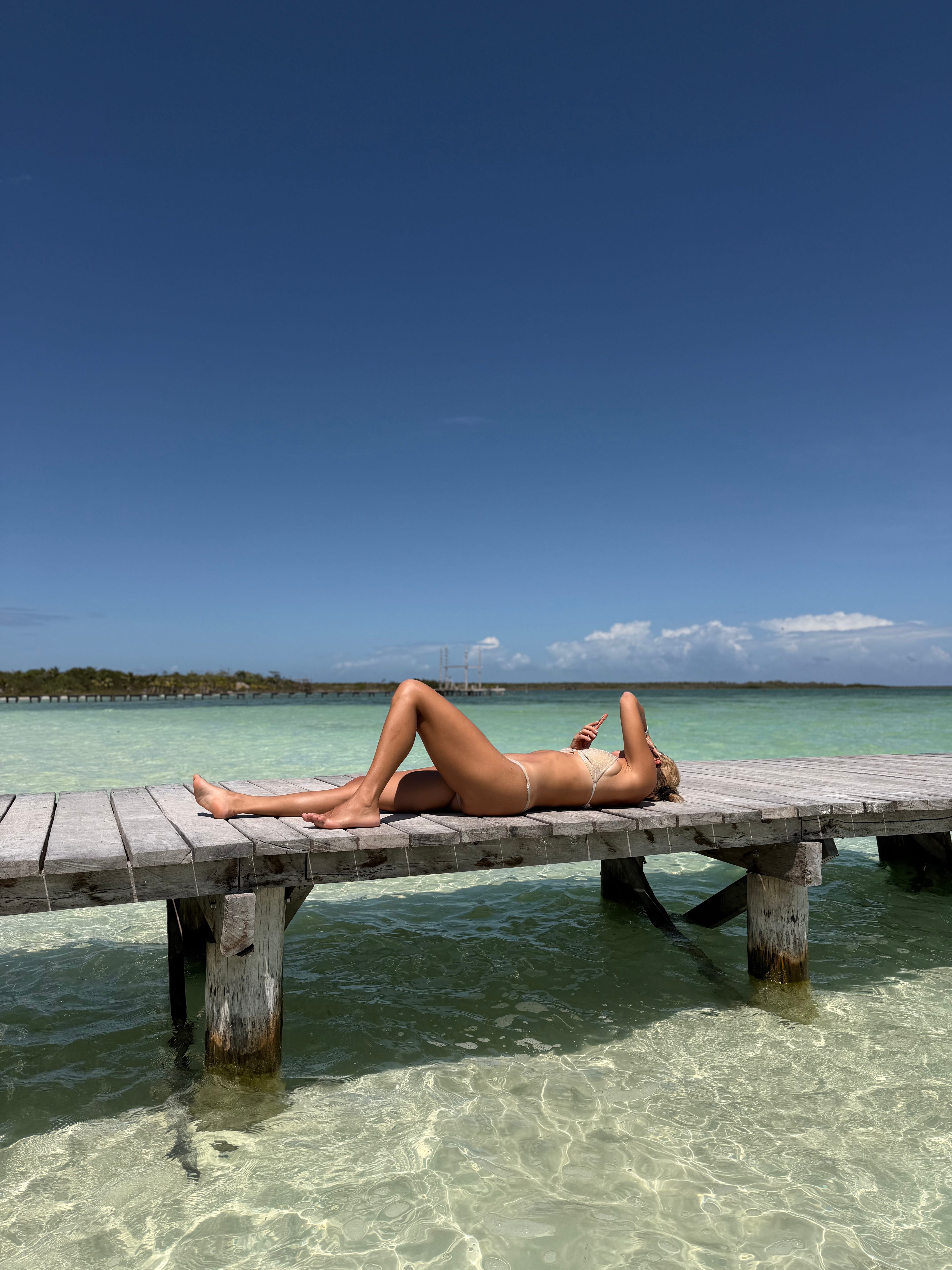
Max lounging at Laguna Sipalitos
Luckily you are not entirely at the mercy of the seaweed gods, because Tulum has the lagoons. A series of interconnected lagoons sheltered from the open Caribbean by mangroves and the natural contours of the coastline. The mangroves act as a natural barrier, blocking the sargasso seaweed, reducing the waves, and filtering the water to a crystal clear perfection. From the outside, you might neevr know these lagoons exist, on the inside you find perfectly clear blue water, white sand, and calm conditions ideal for small children and paddleboarding.
Small palapa style beach bar/restaurant/clubs have sprung up here and there to provide amenities to lagoon visitors. Last year we spent time at Neek, which is still rebuilding after a palapa fire, so this trip we continued down the same bumpy dirt road accessed from the highway south of town to Sipalitos.


The vibe at Sipalitos is just slightly day party… a DJ keeps the energy fun and ambient without tipping into annoying or overwhelming. A large palapa dining area, wooden pier and dock serve as the communal gathering point, with daybeds and dining areas scattered across the beach with umbrellas. The staff is genuinely sweet, the ceviches are excellent, and the maracuya mezcalitas are strong. The water is warmer and calmer than the ocean, perfectly clear, ideal for small children, and around May and June the butterflies arrive in their hundreds and simply flutter around you while you float. Just enough infrastructure to feel taken care of, while still feeling like glamping in the middle of nature. There is a food and drink minimum but you will be there all day and you will not notice hitting it.

SOMETHING COMPLETELY DIFFERENT


If you are feeling a little beached out and want something totally unexpected, make the drive out to Francisco Uh May to find SFER IK. A wild, rolling organic structure built of sticks, reeds, stucco and living plants that genuinely defies description. You climb through sky nets, walk catwalks woven from reed, pass through chambers full of strange and beautiful installation art. They also offer a temazcal spa, ceramics and various other experiences — check their website for what’s on. End with a drink in their bar and dining space, where the cocktails are smoke-infused and slightly trippy in the best way.
It is surreal and inexplicably wonderful, and it reminds you that Tulum plays by its own rules.
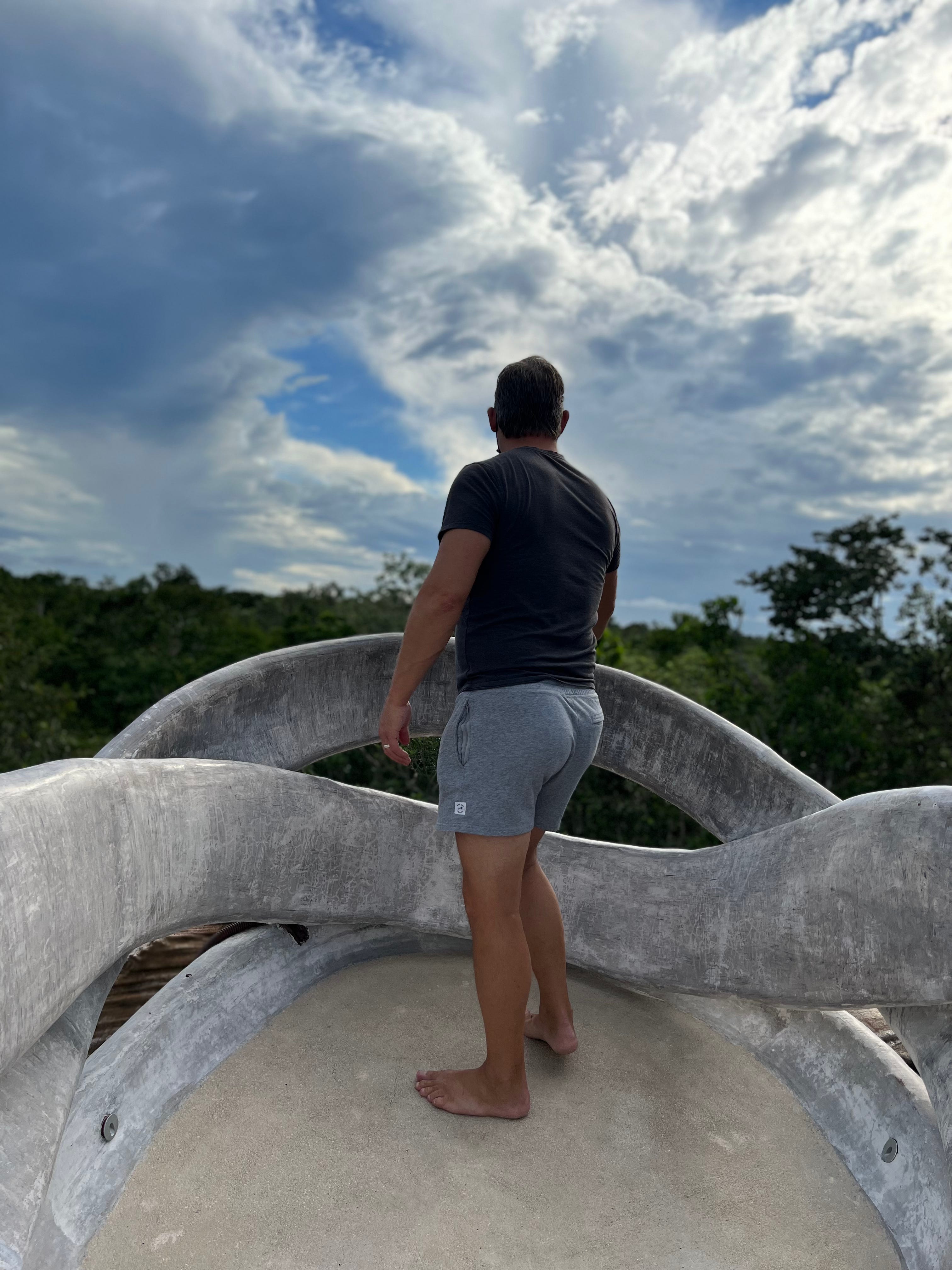
My husband taking in the views from the rooftop at Sfer Ik.
WELLNESS


Since this is Tulum and wellness is sort of it’s whole personality, book yourself something woo. A tarot reading (I have a rec if anyone wants it), a sound bath, deep house yoga (im not kidding), ecstatic dance, a Mayan temazcal sweat ceremony, or a Japanese-style spa evening with sauna and hot and cold plunge - the options are pretty much endless here. Aflora does beautiful sound baths and has a full wellness program worth exploring. For the temazcal specifically, ask your hotel or a local for a recommendation as the experience varies enormously depending on who is leading it.
WHERE TO EAT AND DRINK


Hartwood is the restaurant that put Tulum on the culinary map and it has earned its reputation. Everything cooked entirely over open fire, very high quality ingredients, exceptional seafood, vegetables and steak. It is a splurge and worth every peso. I find the cocktails a little hit or miss so I usually go with wine or a small glass of mezcal with dinner. The cocktails next door at Casa Banana are excellent however, and I have heard their food is too (an Argentine restaurant also with open fire cooking) - worth knowing if Hartwood is full.


Panza at Aflora is another of my favorite restaurants in Tulum. Chef Roberto Garduño came from ABC Kitchen and Uncle Boon's in New York by way of Mexico City, and his cooking shows it - Southeast Asian influences woven with Mexican flavors and preparations. Always delicious and perfectly executed, no matter what you order, although I am partial to the green curry fish “tacos” and the ceviche. The indoor/outdoor dining area is gorgeous but you can also enjoy your meal poolside. Bonus. More on Panza in the next recipe article coming tomorrow.


Negro Huitlacoxe in town is another open-fire kitchen with handmade tortillas and a menu that draws from all over Mexico. The interior is beautiful and on Mondays they have live music. The elote ribs, aguachile de almejas, and quesabirria are all delicious.
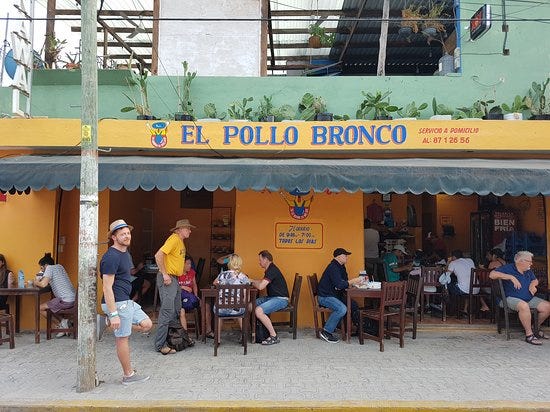
Asado chicken is kind of a local institution in this area. You will find whole birds rotating on spits and slowly cooking over grills at little roadside spots all over town, but Pollo Bronco is my ride or die. I have been coming here religiously since my mother and I first arrived in Tulum in 1998, and it is just as good as it ever was. We used to stay in small bungalows near the beach without a kitchen, just a little mini fridge, so picking up a taco spread to go was our answer for a couple of meals in a row. A whole grilled chicken, a stack of fresh flour tortillas, salsa, shredded lettuce, all the fixings to build little tacos at whatever hour you happen to need them. Incredibly economical, incredibly good.


El Compa is a casual little spot doing Jalisco-style ceviches and tostadas. Get a bucket of beer, some ceviche, and the tuna tostada. Cheap, friendly, delicious. They do a little special every Friday which draws a crowd. What’s not to love?


For breakfast, Del Cielo for huevos rancheros and good coffee. And in La Veleta- Otti for ceremonial cacao drinks. They come hot or cold, blended with almond milk and your choice of spices, in coconut shells. I lean toward the ones with cardamom, vanilla and a touch of cayenne, bittersweet like a good coffee. If you want a little bite alongside, the Azteca toast with a fried egg is really nice.


NIGHTLIFE


My favorite spot to get a drink after dinner was La Guarida, a two-story wooden-balconied joint that gives New Orleans come backpacker bar in Vietnam. The inside feels like someone’s very cool house, with little rooms for lounging that each have their own personality. A vinyl room, a library for playing board games, another area for live music, and tables set up on the balconies (which provide excellent people watching of the streets below). Up on the rooftop there is more seating, including a giant rowboat filled with pillows where I ended up more than once, up having late-night conversations with friends over small glasses of espadín. It gets busy on weekends but both nights I went it had just the right level of energy.

Pizzine has a rooftop where you can dance to a DJ with music that changes every night. Some nights its nostalgic mexican pop, the night I went felt like a little tiny piece of Burning Man, too much for me on this trip. But I can see how it would be fun ;)


If you want to dress up and dance by the beach, Nomade Temple is your spot. They run a serious music program - curated DJ sets, live performances, international artists, the kind of electronic music nights that Tulum is known for. The inside gets too sceney for me, but the beach area is quieter with a bonfire and pretty spots to have a cocktail under the sky. There is a giant climbable robot with a ladder and a little nook at the top to sit in, if you need a break from the pounding DJ set.
SHOPPING


Most of the boutiques along the beach road sell pretty similar things - long flowy linen dresses, jewel-toned bikinis, semi generic crustal jewelry. Nothing wrong with any of it, but if you want something that actually stands out, head to Zacbe on the south end of the beach road. Tucked into a little cluster of shops, they carry beautiful hats, a gorgeous collection of kimonos, and a large selection of impressive quality jewelry from designers across Mexico and beyond. I guess I am slightly biased though, they also carry my jewelry, however it truly is a remarkable shop and worth a stop.
Tulum is ever evolving, not a place that stays still, and part of loving it is making peace with that. Every time I come back something has changed, something has been replaced, something new has appeared that I didn’t expect to love. And yet here I am, still coming back. I hope this list helps you find your version of it.
The Edible week is a newsletter for people who love food and cooking, and a little travel. If you enjoyed this article please subscribe!